


Fascia and sleep: how releasing stored emotions improves restorative sleep
Have you ever noticed that physical tension and emotional stress tend to go hand in hand?
This is more than just a bad night’s sleep—it’s your body holding onto stress and emotion through a vast and often overlooked network called fascia. Fascia is the connective tissue that wraps around your muscles, nerves, and organs, playing a crucial role in your posture, mobility, and, surprisingly, your ability to rest deeply. When it’s tight and restricted, it creates discomfort, sends stress signals to the brain, and interferes with the deep, restorative sleep your body craves.
Read to find out the profound connection between fascia, emotional memory, and sleep—and how releasing stored tension through simple fascia release techniques can help you unlock better rest.

Yoga for sleep: 5 poses to help you relax and unwind
For many of us, a good night’s sleep feels like an elusive luxury. After a long day of meetings, deadlines, and endless to-do lists, it can be difficult to switch off the mental chatter and truly relax. Maybe you find yourself lying in bed, replaying conversations from the day or worrying about tomorrow’s tasks, and despite trying your hardest, your mind just won’t shut off.
Enter the solution… Yoga! Read on to find out the 5 best yoga poses for restful sleep

Nutrition: is it the secret to deep, restful sleep?
Have you ever woken up feeling groggy, even after what seemed like a full night's sleep?
Do you experience afternoon energy crashes that leave you feeling like you could fall asleep at your desk?
Do experience a second wind late in the evening that prevents you from going to bed at a decent time?
Do you wake up in a startle in the middle of the night unable to fall back asleep?
This may surprise you but the answer to your sleep struggles might not be in your bedtime routine but rather more to do with what’s on your plate and when you eat!

Mastering your morning routine to have the best sleep of your life
You know those mornings where you feel like you’ve been hit by a bus, hit the snooze button 5x, drag yourself to the kitchen, reaching for the coffee maker like your life depends on it? Many of us focus on nighttime rituals to improve sleep—limiting screen time, winding down with a book, or sipping herbal tea (which all help) but what if I told you that it may be your morning routine that is sabotaging your sleep?
Yes, you read that right—what you do in the morning determines how well you sleep at night. It’s time to flip the script on your day and turn your groggy mornings into a well-oiled machine for better Zzz’s.

These are the health issues that develop when you’re not getting enough regular sleep
Sleep is often overlooked in our fast-paced world, but it is absolutely essential for maintaining overall well-being. When we consistently miss out on quality sleep, it can have serious consequences on both physical and mental health, both in the short and long term. Chronic sleep deprivation, combined with high stress levels, can contribute to a variety of health issues over time. Understanding these risks can help us make better choices and develop long term habits that support & prioritise restorative sleep, one of the most important things you can do for your long term well-being & chronic disease prevention.

The best herbs, teas, and supplements to help you sleep
If you’ve ever found yourself tossing and turning at night, staring at the ceiling, and willing sleep to come, you’re not alone. Millions of people struggle with getting quality rest, but the good news is—nature has provided us with powerful herbs, teas, and supplements that can gently nudge the body into a state of relaxation and deeper sleep.

Why you’re still tired after 8 hours of sleep
Many people assume that sleeping for 8 hours means waking up refreshed. But if you’re constantly waking up tired, there’s a deeper issue at play. The quality of your sleep matters just as much—if not more—than the quantity.
Read on to learn about your sleep cycles, circadian rhythms and how you can connect to restorative, deep sleep.

The ultimate guide to sleep hygiene: 10 habits for better rest
Sleep hygiene is the foundation of healthy and restorative sleep. It encompasses the habits and routines that signal your body that it’s time to wind down and prepare for rest. Yet, in our fast-paced world, where work emails don’t stop at 9 PM and social media doom scrolls extend into the late hours, quality sleep often takes a backseat.
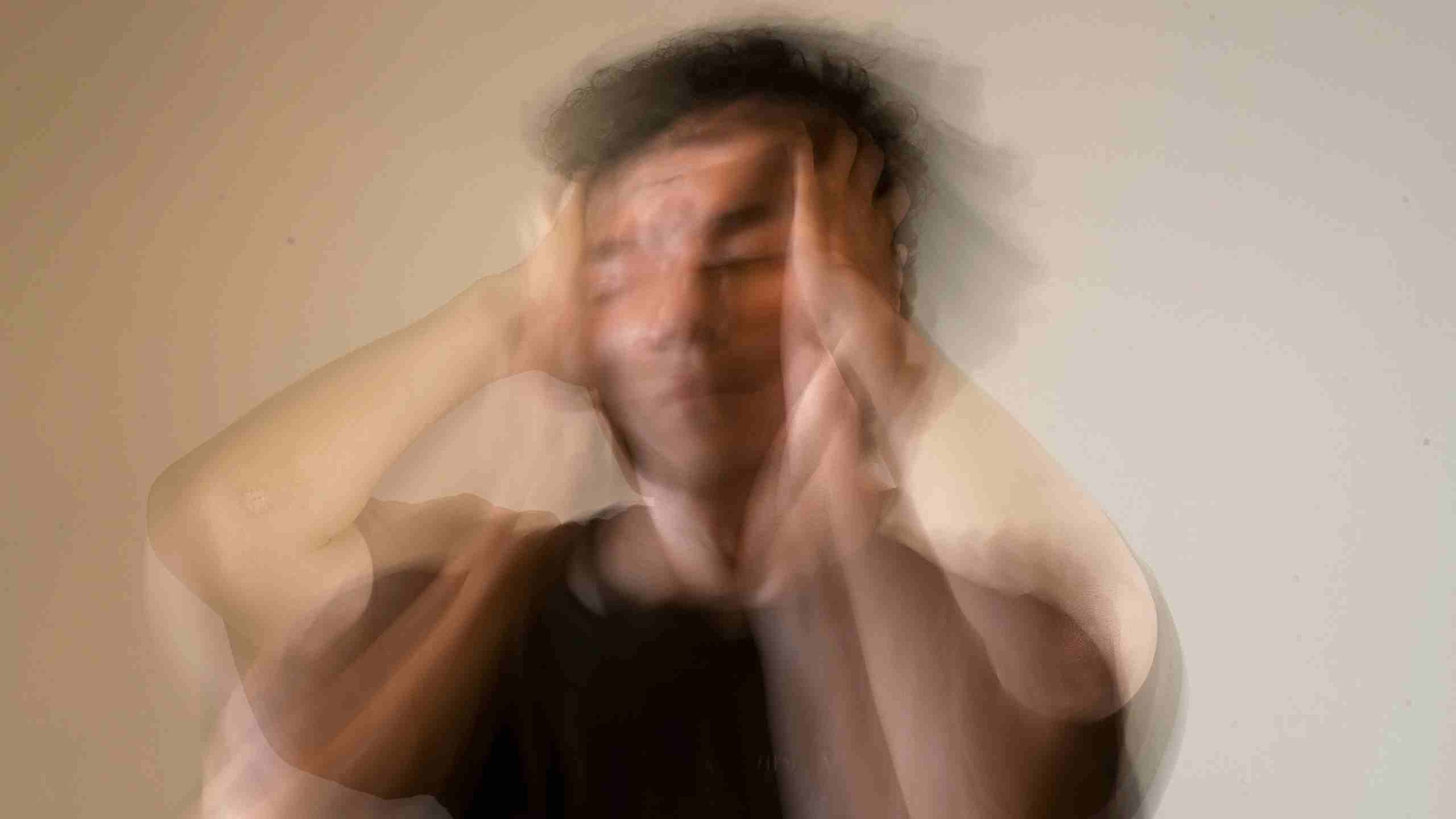
How stress impacts sleep—and what you can do about it
It’s 2 AM, and you can’t sleep... again. Your mind is racing with to-do lists, unfinished projects, and that awkward conversation from earlier. You know you need sleep—but your brain won’t shut off, even though you’re absolutely exhausted!
If this sounds familiar, you’re not alone. Stress and sleep are deeply connected in a cycle that can feel impossible to break. The more stressed you are, the harder it is to sleep. And the less sleep you get, the more stressed, anxious, and exhausted you feel the next day.

How yoga improves sleep by regulating the nervous system
Sleep disorders and restless nights are increasingly common, often fueled by high levels of stress, anxiety, and an overactive mind. But what if the key to better sleep isn’t found in a pill or a strict bedtime routine, but rather on your yoga mat? Yoga has long been recognised for its ability to reduce stress, increase flexibility, and improve mental clarity. However, one of its lesser-known but powerful benefits is its ability to enhance sleep quality by regulating the nervous system

How to create the perfect sleep sanctuary
Your bedroom plays a massive role in how well you sleep. Even small tweaks to your sleep environment can significantly impact your ability to fall asleep faster, stay asleep longer, and wake up feeling refreshed. A well-designed sleep sanctuary does more than look good—it works with your body’s natural sleep-wake cycle to optimise rest.